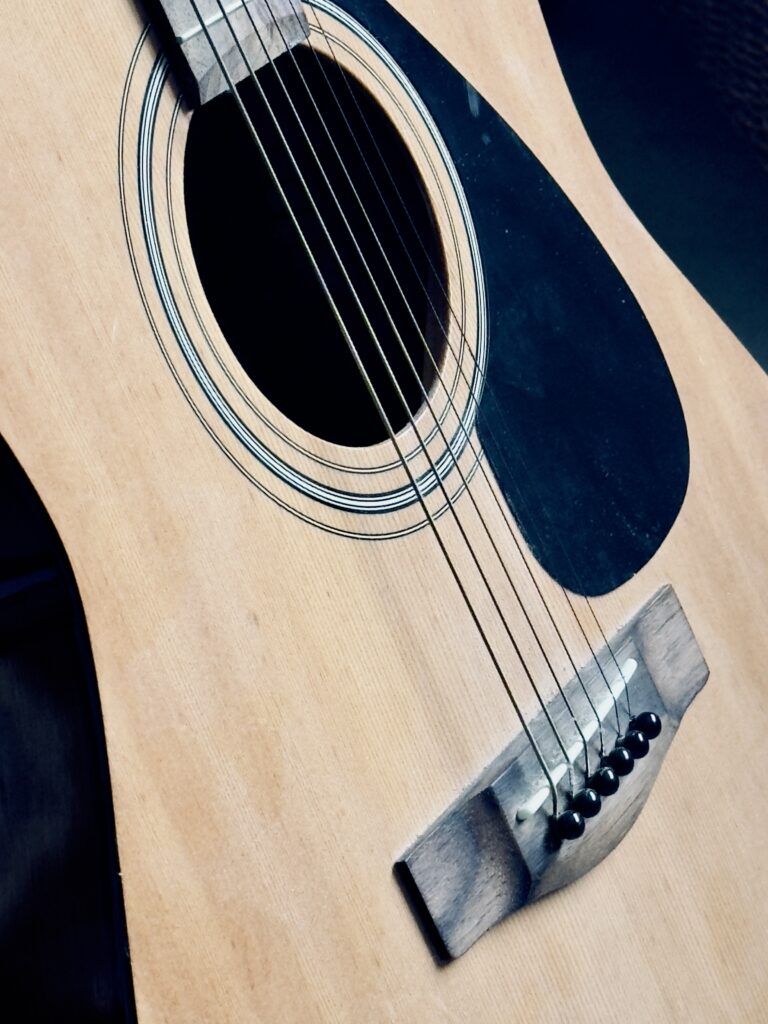
There’s evidence that playing a musical instrument or singing in a choir is linked to better brain health in older adults.
Scientists working on the PROTECT Study – a 10-year project run by the University of Exeter and King’s College London in partnership with the NHS – have reviewed data from more than 1,000 adults over the age of 40 to determine whether musicality helps to keep the brain sharp in later life.
The findings show that playing a musical instrument, particularly the piano, is linked to improved memory and the ability to solve complex tasks. Continuing to play into later life provides even greater benefit. The work also suggests that singing was also linked to better brain health, although this may be due to the social factors of being part of a choir or group.
Anne Corbett, professor of dementia research at the University of Exeter, said: “A number of studies have looked at the effect of music on brain health. Our PROTECT study has given us a unique opportunity to explore the relationship between cognitive performance and music in a large cohort of older adults. Overall, we think that being musical could be a way of harnessing the brain’s agility and resilience, known as cognitive reserve.
“Although more research is needed to investigate this relationship, our findings indicate that promoting musical education would be a valuable part of public health initiatives to promote a protective lifestyle for brain health, as would encouraging older adults to return to music in later life.
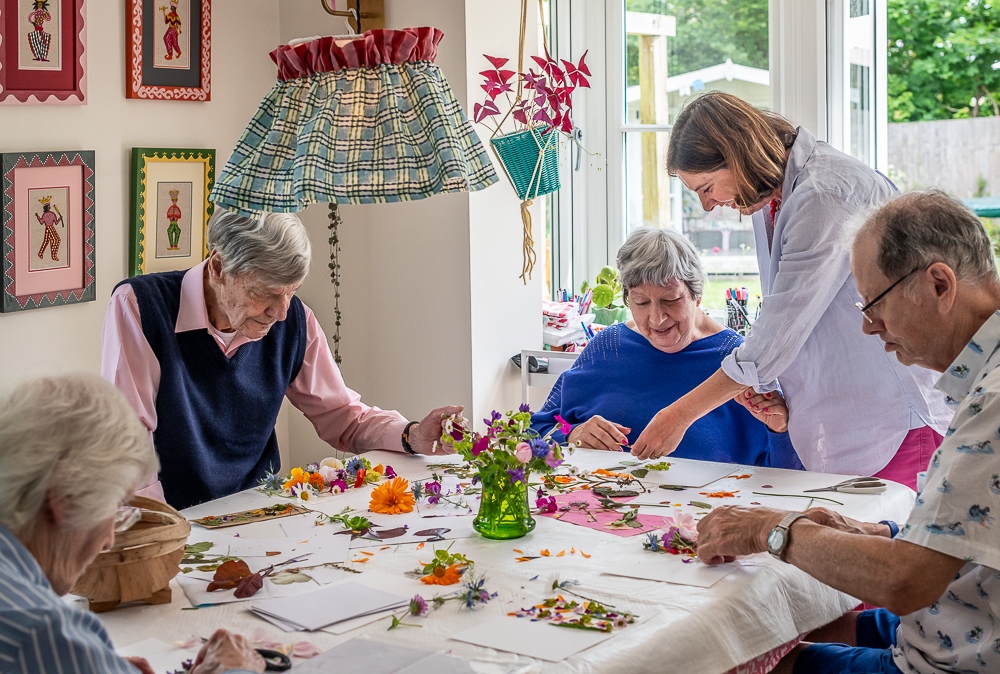
“There is considerable evidence for the benefit of music group activities for individuals with dementia, and this approach could be extended as part of a healthy ageing package for older adults to enable them to proactively reduce their risk and promote brain health.”
According to one of Care UK’s excellent booklets, Listen, talk, connect: Communicating with people living with dementia, the single most important piece of information to bear in mind when talking to a person with dementia is that their perception of reality is the only one that counts.