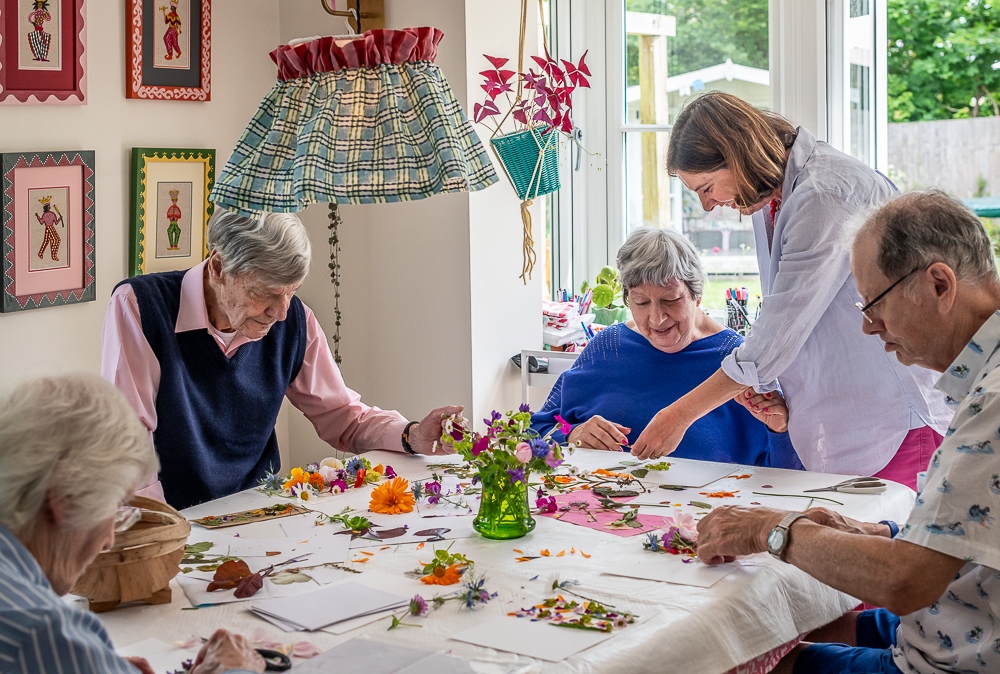
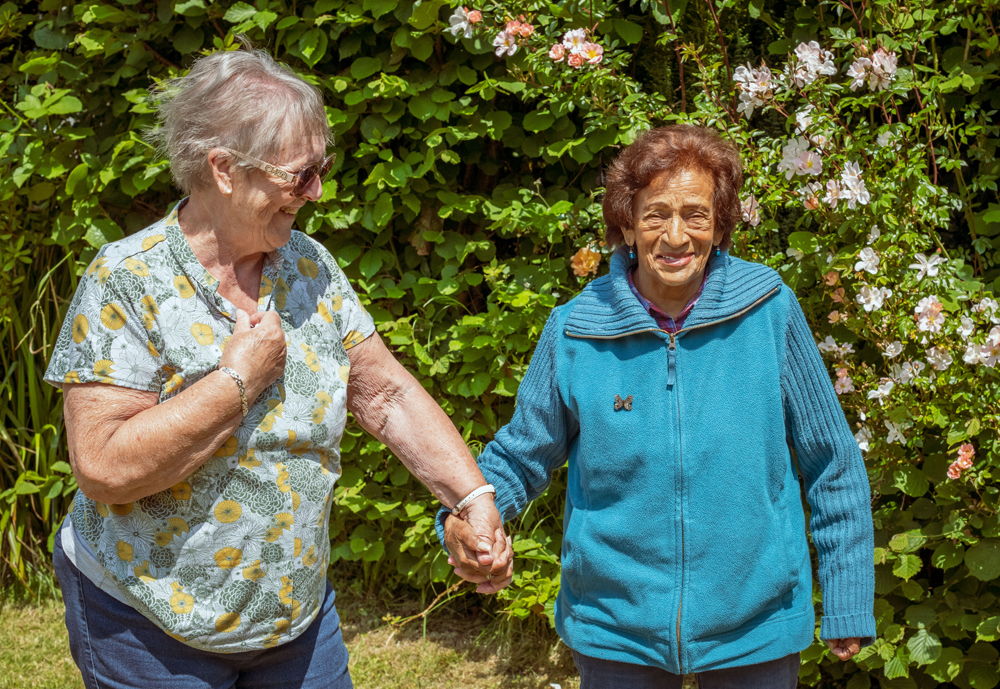
Dementia is receiving more media coverage than ever at the moment from TV programmes to national press.
The overall message is that although treatments are in their infancy, progress is being made, but the Alzheimer’s Society’s shocking survey suggests that one in four people is left to cope alone after a diagnosis with dementia.
We operate in Surrey in West Sussex, so are unable help everyone, but please do visit our signposting pages, which may be of help: Useful contacts and Working partners
The good news is that as the scale of this disease – one in three people born in the UK today will be diagnosed with dementia – is slowly being recognised, with more studies being undertaken in various parts of the world to find cause and cure.
Why chewing is good for your brain
Researchers from the Sungkyunkwan University School of Medicine in South have discovered that frequent and vigorous chewing during meals may be an effort to cope with dementia progression.
According to the study, men aged 60+ who took 30 or more bites per mouthful had a nearly three-fold higher risk of developing the disease.
An extra five bites is linked to a 16% increased risk. Apparently, the reason for this is that the more strongly people chew, the greater the blood flow to the brain, leading to more oxygen and activity in key regions of the brain.
Diabetes drug hope
Randomised controlled trials are need to confirm the findings, but a large study also from Korea published by The BMJ indicates that a drug to treat type 2 diabetes costing £1 per day may prevent the onset of dementia. Experts compared adults on SGLT-2 drugs, with those on another medicine called dipeptidyl peptidase-4 (DPP-4) inhibitor.
The results found that the rate of dementia was 35% lower in those on SGLT-2 drugs, which include dapagliflozin, empagliflozin, ertugliflozin and canagliflozin. Previous research has found that diabetes increases the risk of developing dementia and anti-diabetic medicine, such as Ozempic has been linked to cutting those risks, although it is unclear why.
TV presenters spread the word
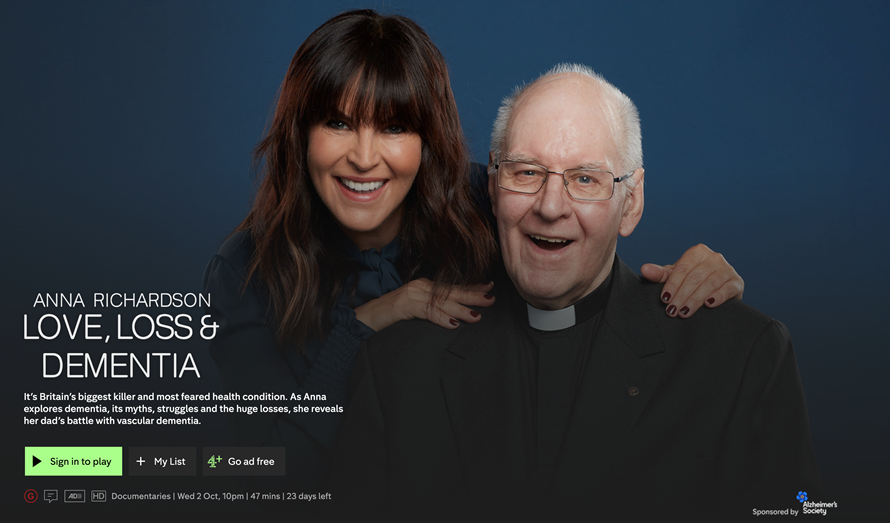
Last week’s hard-hitting Channel 4 documentary Anna Richardson: Love, Loss and Dementia, was certainly a tough watch. TV presenter Anna Richardson looked at how this cruel disease affects families, including her own. It featured her father Jim, who is in the early stages of vascular dementia.
BBC news anchor Sally Magnusson wrestles with the dilemma of finding out if she too is destined to the same fate as her mum, who lived with Alzheimer’s for many years, during another forthright programme, Sally Magnusson: Alzheimer’s a Cure and Me, which was aired on BBC Scotland on 13 October.
The best medicine: red wine, dark chocolate, berries and tea
A study by researchers at Queen’s University Belfast has found that consuming foods rich in flavonoids – such as red wine, berries, tea and dark chocolate – could lower the risk of developing dementia by up to a third.
Researchers from the university’s Institute for Global Food Security analysed the diets of more than 120,000 British adults aged between 40 and 70. Those who ate at least six servings of flavonoid-rich foods per day were 28% less likely to develop dementia over the course of 10 years than those who did not.
Daily recommendations are one or two squares of dark chocolate with at least 70% cocoa solids, a small glass of red wine, 40g of berries as well as up to six cups of ideally caffeine-free green tea.
Blueberries are particularly beneficial, being regarded as a dementia-busting superfood. But strawberries, raspberries, blackberries, redcurrants and any fruit with red, blue or purple skins, frozen or fresh, are just as good.
Green tea is recommended as it has the highest concentration of flavonoids as teas go, but black teas, English breakfast and Earl Grey are also beneficial, although it is not understood what effect caffeine has on dementia.
Nobel Prize winner’s quest
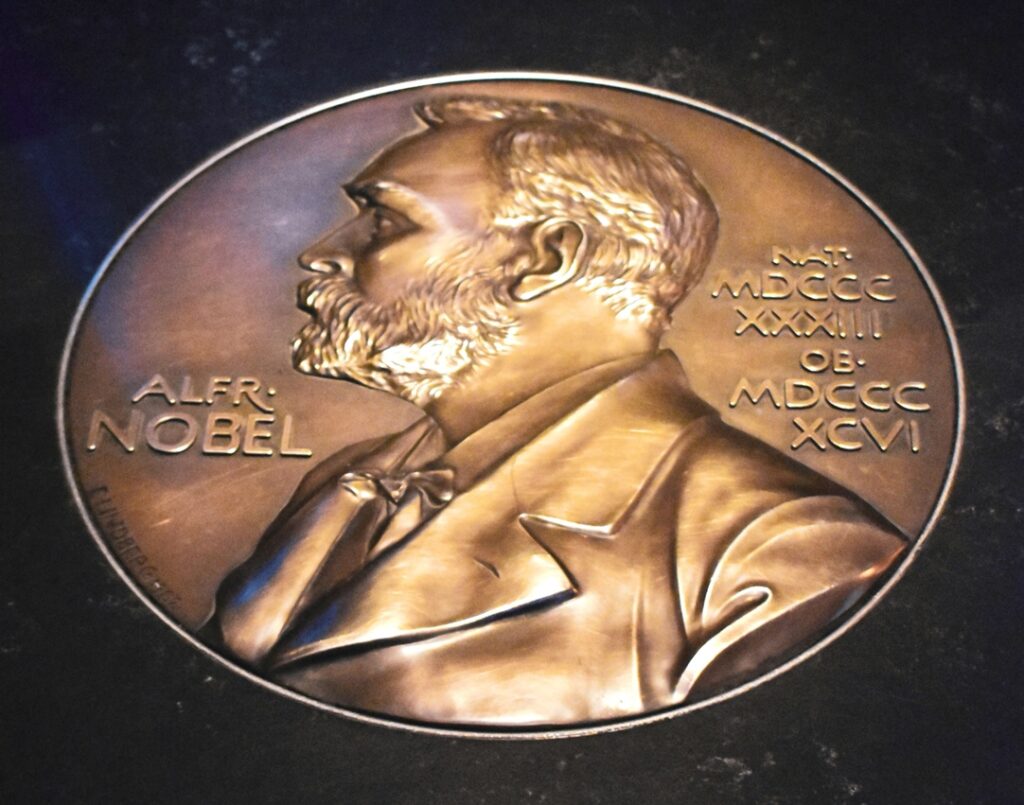
On a hopeful note, 2020 Nobel Prize winner Jennifer Doudna, who is based at the University of California, has stated that she wants to cure dementia in the next decade.
Prof Doudna is responsible for discovering the pioneering Crispr technology, known as “genetic scissors”. The technologoy allows scientists to modify the DNA of living organisms and has the power to help future-proof crops against climate change and create methane-free livestock.
There is now a lot of work going on into neurodegenerative diseases using this technology.